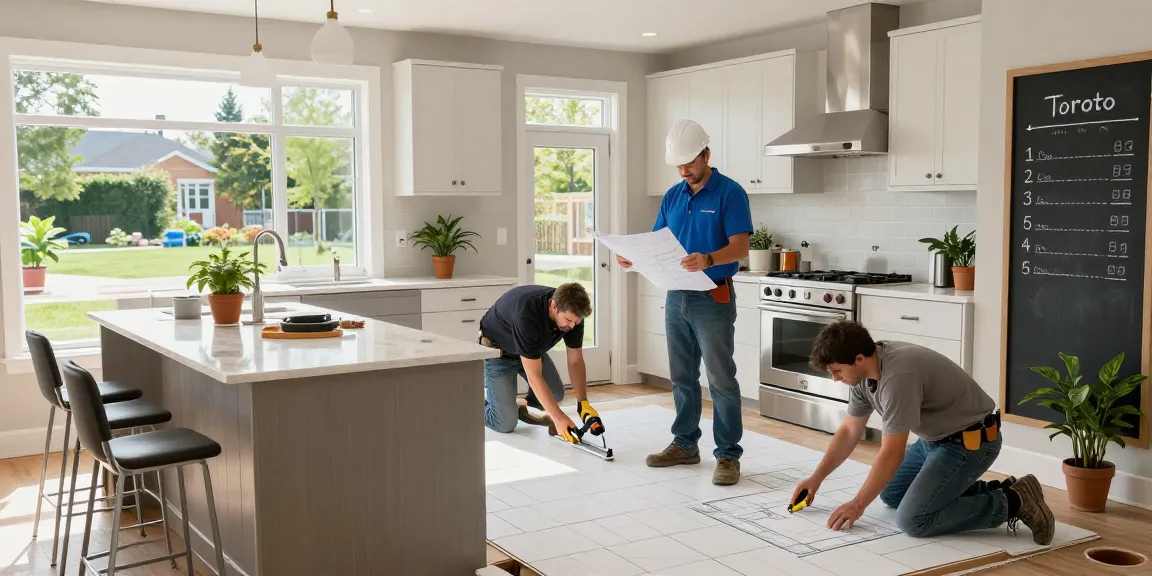
Understanding the Role of a Renovation Contractor in Toronto
Embarking on a home renovation project in Toronto can be an exhilarating yet daunting experience. Homeowners often find themselves in need of a skilled Renovation contractor toronto who can navigate the intricate landscape of construction and design. From kitchens and bathrooms to entire home renovations, understanding the core functions of a renovation contractor is crucial for a successful project.
What Does a Renovation Contractor Do?
A renovation contractor is responsible for managing and executing renovation projects. This includes everything from initial design concepts to final touches. Their primary role is to coordinate the various elements of the project, such as hiring subcontractors, obtaining necessary permits, purchasing materials, and ensuring that all work meets local building codes. Whether it’s a bathroom remodel or a complete home renovation, the contractor serves as the project manager, ensuring that timelines and budgets are adhered to.
Key Responsibilities and Skills Required
- Project Management: Overseeing the entire renovation process, from start to finish.
- Budgeting: Estimating costs and managing finances to prevent overspending.
- Scheduling: Coordinating timelines for subcontractors and deliveries to ensure smooth progress.
- Communication: Acting as the liaison between the homeowner and the work crew, ensuring that everyone is on the same page.
- Problem Solving: Addressing unforeseen issues that arise during the renovation process.
How to Verify Contractor Credentials in Toronto
When selecting a renovation contractor, verifying their credentials is essential. Begin by checking for a valid license in Ontario, which ensures they meet the province’s construction regulations. Additionally, ask for references and review their portfolio of past projects. Online platforms like HomeStars or Houzz allow you to read reviews from previous clients, giving you insight into their reliability and quality of work. Finally, consider seeking professionals who are members of recognized industry organizations, as they often adhere to higher standards of practice.
Top Considerations When Hiring a Renovation Contractor
Choosing the right contractor is pivotal to achieving your renovation goals. It’s important to make informed decisions based on several key considerations that can greatly affect the outcome of your project.
Evaluating Experience and Expertise
Experience in home renovations can significantly influence the quality of work. When evaluating potential contractors, consider how long they have been in business and the type of projects they specialize in. A contractor with a robust portfolio and diverse experience can provide valuable insights and innovative solutions tailored to your specific needs.
Understanding Pricing Models and Quotes
Renovation costs can vary widely, so understanding how contractors price their services is essential. Some may offer fixed pricing, while others work on a time-and-materials basis. Request detailed quotes from multiple contractors, ensuring they break down the costs of labor, materials, and any potential contingencies. This not only helps you understand the overall budget better but also allows for more straightforward comparisons among candidates.
Checking Reviews and References Effectively
Reviews and references are vital in assessing a contractor’s reliability. Look for contractors with positive reviews on reputable sites, and ask for references you can contact directly. Speaking to past clients provides insights into their experience, the contractor’s punctuality, quality of work, and overall satisfaction.
Common Challenges in Home Renovations
While home renovations hold the promise of enhanced living spaces, they are not without their challenges. Being aware of these common issues can prepare you for potential hiccups along the way.
Budget Overruns: Causes and Solutions
Budget overruns are one of the most common challenges homeowners face during renovations. They often occur due to unforeseen circumstances, such as structural issues or changes in design. To mitigate this risk, establish a solid budget with your contractor and include a contingency fund of around 10-20% for unexpected expenses. Regular check-ins on the budget can also help maintain financial control throughout the project.
Timeline Delays: What to Expect
Delays can be frustrating, especially when it comes to home renovations. Factors such as weather, supply chain issues, or labor shortages can contribute to timeline setbacks. Be prepared by discussing a realistic timeline with your contractor upfront, and maintain open lines of communication to stay updated on any changes that may affect the project schedule.
Communication Gaps Between Contractor and Client
Effective communication is crucial in any renovation project. Misunderstandings can lead to costly mistakes and frustration for both parties. To avoid this, establish a clear communication plan early on, specifying how often you’ll check in on progress and through what channels (e.g., email, phone, in-person meetings). Regular updates foster transparency and help ensure that everyone is aligned on project expectations.
Best Practices for a Successful Renovation Project
To achieve the best outcomes from your renovation project, consider implementing the following best practices:
How to Set Clear Objectives and Expectations
Setting clear goals and expectations is the foundation of a successful renovation. Begin with a comprehensive discussion with your chosen contractor about your vision, needs, and budget constraints. Document these objectives to ensure they are understood and agreed upon, serving as a guide throughout the project.
Creating an Effective Communication Plan
An effective communication plan is essential for minimizing misunderstandings. Define how often and in what format you’ll communicate with your contractor about project milestones, concerns, and updates. Regular scheduled meetings or updates can also help maintain momentum and clarify any issues promptly.
Monitoring Progress: Tips for Homeowners
Proactively monitoring the progress of your renovation is key to ensuring it stays on track. Schedule regular site visits to observe the work firsthand and discuss any discrepancies with your contractor. Keeping a renovation journal can also help you document decisions, changes, and key communications throughout the project.
Future Trends in Home Renovation for 2026
The home renovation industry is constantly evolving. Staying informed about future trends can help you make informed decisions for your project and ensure that your renovations enhance both functionality and aesthetic appeal.
Sustainable Materials and Green Renovations
As environmental concerns grow, more homeowners are prioritizing sustainability in their renovation projects. This trend encompasses using eco-friendly materials, energy-efficient appliances, and water-saving fixtures. Incorporating green elements not only reduces your ecological footprint but can also enhance the resale value of your home.
Smart Home Technologies in Renovation Projects
Smart home technologies are becoming increasingly popular in renovations. From smart thermostats to automated lighting systems, these features provide convenience and energy efficiency. When planning your renovation, consider integrating technology that offers real-time monitoring and control, enhancing your quality of life while also increasing your home’s appeal.
Predicted Styles and Design Preferences
Design preferences are shifting towards minimalistic and multifunctional spaces that maximize usability. Open-concept designs, natural light, and minimalist aesthetics are expected to remain at the forefront of home renovations in the coming years. Collaborating with a skilled renovation contractor can help you stay ahead of design trends while ensuring that your space remains functional and stylish.
How much does a full renovation cost in Toronto?
Understanding the financial aspects of a renovation project is critical for homeowners. The cost of a full renovation in Toronto typically ranges from $250 to $350 per square foot. This figure includes full gut renovations where every element is stripped away and rebuilt. If the project includes new construction or major additions, costs can range between $350 and $600 per square foot, making it vital to budget effectively.
What is the most expensive part of a house to renovate?
When undertaking a whole home remodel, kitchens and bathrooms often emerge as the most expensive areas to renovate. These spaces require extensive work and specialized fixtures, making them both labor- and material-intensive. Homeowners should prepare for higher costs in these areas and consider prioritizing them in their overall renovation strategy.
How do I find a good renovation contractor in Toronto?
Finding a good renovation contractor involves thorough research and due diligence. Begin by defining your project needs and budget. Utilize online platforms to find local contractors, review their portfolios, and read customer testimonials. Interviews with potential candidates are also essential; ask about their experience, design styles, and past projects to find a perfect match for your renovation ambitions.
What are the benefits of hiring a professional contractor?
Hiring a professional renovation contractor can greatly streamline the renovation process. They bring expertise, industry connections, and a wealth of experience that amateur renovators often lack. Professionals can also navigate zoning laws, building codes, and inspections, ensuring that your project runs smoothly from concept to completion.
How long does a typical renovation project take?
The timeline for a typical renovation project can vary significantly based on the scope and complexity of the work. Smaller projects, like bathroom renovations, may take a few weeks, while larger endeavors, such as full home renovations, can span several months. Discussing timelines with your contractor at the outset can provide clearer expectations and help manage project deadlines efficiently.