Understanding the Importance of a Basic First Aid Kit
Having a well-stocked first aid kit is essential for every household, workplace, and vehicle. Emergencies can happen at any time, and being prepared can make all the difference. The importance of having a basic first aid kit cannot be overstated, as it provides immediate assistance in case of injuries, illnesses, or accidents. In 2026, the need for accessible first aid knowledge remains critical, and understanding the components of a basic first aid kit checklist is the first step towards ensuring safety for you and your loved ones.
Why Every Household Needs a First Aid Kit
First aid kits are not just for outdoor adventures or medical professionals; every household should have access to basic first aid supplies. With minor injuries such as cuts, bruises, and burns common in daily life, having a kit on hand allows families to respond quickly and effectively. Not only does this preparedness foster confidence in handling emergencies, but it also promotes a safer environment.
Common Misconceptions About First Aid Kits
Many people assume that first aid kits are only necessary for significant emergencies or that they are too complicated to maintain. However, these kits can be simple and tailored to meet the specific needs of a household. It’s also a misconception that first aid trainers are only for medical personnel; anyone can and should learn basic first aid skills to assist in emergencies.
How a First Aid Kit Can Save Lives
First aid kits contribute to effective injury management, which can prevent complications and save lives. For instance, a simple cut left untreated can lead to infection or other complications. With the right supplies available, individuals can manage injuries more effectively, sometimes even preventing a trip to the hospital. This proactive approach to health and safety is paramount in emergency situations.
Essential Items for Your Basic First Aid Kit
Top Must-Have Supplies for First Aid
Your basic first aid kit should contain a variety of essential supplies to handle common injuries. Here’s a list of must-have items:
- Adhesive bandages in various sizes
- Gauze pads and adhesive tape
- Antiseptic wipes
- Antibiotic ointment
- Scissors and tweezers
- Elastic bandage for sprains
- Instant cold packs
- Pain relievers (e.g., ibuprofen, acetaminophen)
- First aid manual or guide
- Disposable gloves
These items will cover a range of minor to moderate injuries and make your kit considerably more effective.
Choosing the Right Container for Your Kit
The container for your first aid kit should be easily accessible, portable, and waterproof. Many opt for a sturdy plastic box or a dedicated first aid bag with compartments. The goal is to ensure that the supplies are organized and can be found quickly during an emergency.
Seasonal Considerations for Your Supplies
Different seasons may require specific items in your first aid kit. For example, during winter, it may be wise to include supplies for treating frostbite, while summer kits should contain treatments for heat-related illnesses. Always assess your kit as the seasons change to ensure it meets your family’s current needs.
Assembling Your Basic First Aid Kit Checklist
Step-by-Step Guide to Building Your Kit
Building a first aid kit can be a straightforward and thorough process. Start with the essential supplies listed above. Then, consider any specific health needs of your family members, such as allergies or chronic conditions. Finally, organize these items in a labeled container, making sure everything is within easy reach.
How to Personalize Your Kit for Family Needs
Personalizing your first aid kit is crucial. You might include specific medications for family members, such as EpiPens for severe allergies or inhalers for asthma. Don’t forget about including items to treat any potential injuries specific to your family activities, whether that’s sports, hiking, or other hobbies.
Integrating First Aid Education with Kit Assembly
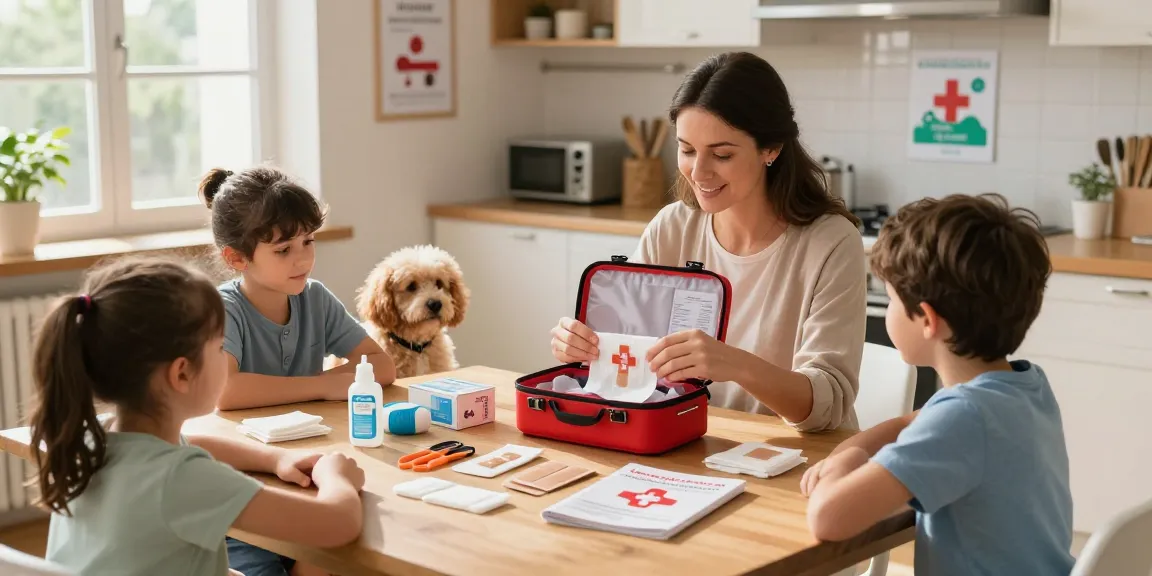
As you assemble your first aid kit, consider involving family members in the process, which can be a valuable educational experience. Teach them how to use the supplies effectively, ensuring everyone understands what to do in case of different emergencies. This knowledge can empower individuals to act confidently during an emergency.
Maintaining and Updating Your First Aid Kit
Regular Checklists and Inventory Management
To ensure your first aid kit remains effective, regular checks are necessary. Establishing a routine, such as checking the kit seasonally, can help you keep track of supplies. Maintain a checklist of items and their expiry dates, replacing those that have been used or have expired.
Signs That Your Supplies Need Replacing
Be vigilant about the supplies you have in your first aid kit. Signs that supplies need replacing include:
- Outdated medication
- Used items
- Deteriorated packaging
- Items that are missing
Replacing your supplies promptly will ensure your kit is ready when you need it most.
Preparing for Travel: A Portable First Aid Kit
When traveling, it’s essential to have a portable first aid kit. Consider the environment and potential risks of your travel destination while packing. Ensure the kit is compact, and includes essentials tailored for travel, such as motion sickness tablets, sunscreen, and insect repellent.
Getting Involved: Teaching First Aid Skills
Engaging Family Members in First Aid Training
Teaching family members how to use the first aid kit can significantly enhance response during emergencies. Consider hosting family training sessions where you can practice using the supplies. This engagement fosters a culture of safety and preparedness within your home.
Local Resources for First Aid Classes
Many communities offer first aid training courses through local hospitals, community centers, or organizations like the Red Cross. Participating in such classes will provide you and your family with valuable skills and not only builds confidence but also ensures a higher level of preparedness for emergencies.
Empowering Children with Basic First Aid Knowledge
Children can also learn basic first aid skills, fostering a sense of responsibility and awareness about health. Start with simple concepts, like how to clean a cut or when to seek help. This empowerment not only equips them with knowledge but also contributes to their self-sufficiency.
What items should be included in a basic first aid kit?
A basic first aid kit should include adhesive bandages, gauze pads, antiseptic wipes, antibiotic ointment, scissors, tweezers, and pain relievers. Each item plays a vital role in addressing various injuries and should be tailored to your family’s needs.
How often should I check my first aid kit?
It is advisable to check your first aid kit at least every three to six months. This routine ensures that all supplies are up to date and that you are prepared for any emergencies.
Can I travel with a basic first aid kit?
Yes, traveling with a basic first aid kit is highly recommended. Tailor the contents based on your destination and activities, ensuring you have items to address potential issues you might face while away from home.
What is the best way to store a first aid kit?
The best way to store a first aid kit is in a cool, dry place that is easily accessible. Ensure that it is out of reach of small children but also convenient for adults to grab in an emergency.
How do I educate my children about first aid?
Educating children about first aid can be done through hands-on practice and engaging learning. Use real-world scenarios or role-playing to help them understand the concepts better, making sure to keep the lessons fun and interactive.