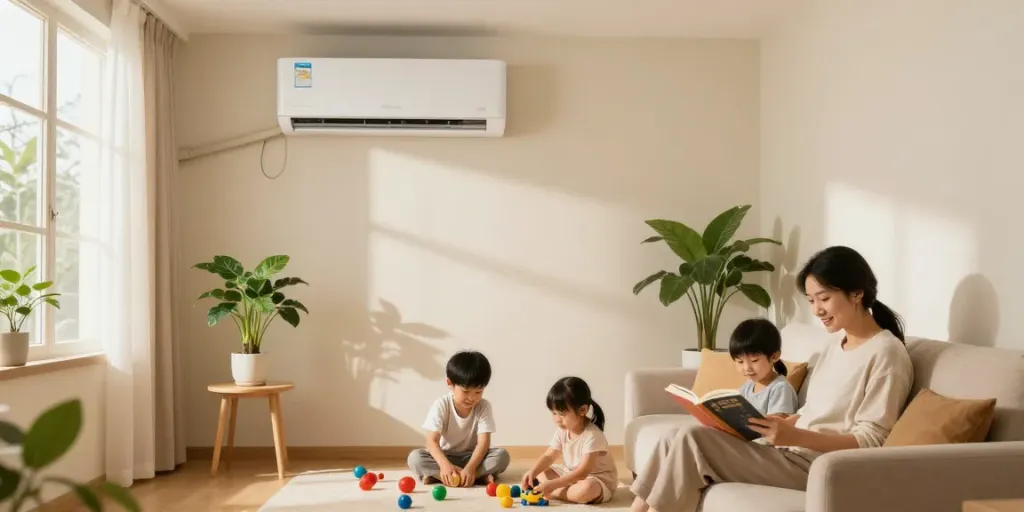
Understanding Split AC Units
As temperatures rise, the importance of effective cooling solutions becomes increasingly apparent. Split AC units, known for their flexibility and efficiency, are gaining popularity in both residential and commercial spaces. These systems are designed to provide targeted cooling without the bulkiness associated with traditional air conditioning systems. When exploring options, split ac unit choices offer innovative technologies that suit modern living environments.
What is a Split AC Unit?
A split air conditioning unit consists of two main components: an outdoor compressor and an indoor unit. Unlike conventional air conditioners that require extensive ductwork, split systems can deliver cool air directly to specific areas of a home or office. This ductless design not only simplifies installation but also allows for more efficient cooling by targeting specific zones.
How Split AC Units Work
Split AC units operate using the principles of thermodynamics. The outdoor unit compresses refrigerant gas, which then travels to the indoor evaporator coil. In the evaporator coil, the refrigerant absorbs heat from the indoor air, cooling it down before it is circulated back into the room. The cycle continues, providing consistent comfort and control over indoor temperatures.
Key Components of a Split AC System
- Compressor: Located outdoors, this unit compresses the refrigerant and pumps it into the indoor system.
- Evaporator Coil: This indoor coil absorbs heat from the air, cooling it down through the circulation of refrigerant.
- Air Handler: This component distributes the cooled air throughout the space using a fan.
- Thermostat: Controls the temperature by regulating the operation of the system, enhancing user comfort.
Benefits of Choosing a Split AC Unit
Split AC units boast numerous advantages that make them an appealing choice for many homeowners. From energy efficiency to reduced noise levels, these systems are engineered to enhance comfort while keeping utility costs in check.
Energy Efficiency and Cost Savings
One of the standout features of split AC units is their energy efficiency. Many models are equipped with inverter technology, allowing the compressor to run at varying speeds according to the cooling demands of the space. This results in less energy consumption and lower utility bills compared to traditional systems. Additionally, the ability to cool specific zones means that users can save money by only conditioning rooms that are in use.
Enhanced Comfort and Control
Split AC units provide superior control over indoor climates, allowing users to set different temperatures in different rooms. This zoning capability is especially beneficial in larger homes where some areas may be occupied while others remain empty. As a result, occupants enjoy a tailored environment that enhances comfort levels throughout the day.
Reduced Noise Levels Compared to Traditional Systems
Another significant advantage of split AC units is their quiet operation. The indoor unit is designed to operate at lower noise levels, making it suitable for bedrooms and other quiet spaces. This contrasts sharply with window air conditioners, which can be noisy and disruptive. The separation of the compressor from the indoor air handler allows for a peaceful atmosphere.
Installation and Maintenance Tips
To maximize the effectiveness of a split AC unit, proper installation and regular maintenance are essential. Whether opting for professional installation or considering a DIY approach, understanding best practices can help achieve optimal performance.
Professional vs. DIY Installation
While some homeowners may be tempted to install their split AC units themselves, hiring a professional is generally recommended. Experts not only ensure proper setup but also account for factors such as refrigerant levels and electrical connections that are vital for the system’s efficiency and longevity.
Regular Maintenance Practices
Routine maintenance of split AC units is crucial for ensuring reliability and efficiency. Homeowners should regularly clean or replace filters to improve air quality and maintain airflow. Additionally, scheduling annual professional check-ups can help identify potential issues before they become major problems.
Common Issues and Troubleshooting
Common issues with split AC units include inconsistent cooling, strange noises, and refrigerant leaks. If cooling is inconsistent, it may be due to a dirty filter or a malfunctioning thermostat. Strange noises often indicate loose components or debris within the unit. In cases of refrigerant leaks, it is advisable to consult a professional for repairs to avoid further damage.
Comparing Split AC Units with Other Cooling Systems
Understanding the distinctions between split AC units and other cooling options can help consumers make informed decisions that align with their needs and preferences.
Split AC vs. Window Air Conditioners
When comparing split AC units to window units, the former offers several advantages, including improved energy efficiency and quieter operation. While window units are often less expensive upfront, split AC systems provide enhanced long-term savings and comfort due to their zoning capabilities and reduced noise levels.
Split AC vs. Central HVAC Systems
Central HVAC systems are typically more complex and require ductwork, making installation more invasive. In contrast, split AC units are easier to install and can be an ideal solution for homes without existing ducts. Furthermore, the flexibility of split systems allows homeowners to target specific areas, thereby enhancing energy efficiency.
Best Applications for Split AC Units
Split AC units are ideally suited for a variety of applications, including:
- Residential spaces with multiple rooms requiring individual temperature control.
- Homes without ductwork where traditional HVAC systems cannot be installed.
- Renovated spaces where maintaining aesthetic integrity is essential.
Future Trends in Air Conditioning for 2026
As technology evolves, so too do the innovations in air conditioning systems. The future of split AC units looks promising, with advancements that cater to both environmental sustainability and enhanced user experience.
Smart Technology Integration
Many modern split AC units are now being equipped with smart technology, allowing homeowners to control their systems via smartphones or smart home devices. This feature enhances user convenience and promotes energy-saving practices, as adjustable settings can be programmed based on daily routines.
Environmental Considerations and Innovations
With a growing focus on environmental sustainability, manufacturers are increasingly developing systems that reduce carbon footprints. This includes using eco-friendly refrigerants and designing units that meet stringent energy efficiency standards.
Market Predictions for Air Conditioning Systems
By 2026, the market for split AC systems is expected to continue expanding, driven by increased demand for energy-efficient alternatives. Innovations in design and functionality promise to enhance the user experience, further solidifying the role of split AC units in residential and commercial cooling solutions.
What is the average cost of a split AC unit?
The average cost of a split AC unit can vary significantly based on factors such as brand, capacity, and features. Typically, prices range from $600 to $2,500, excluding installation costs.
How do I choose the right size split AC unit?
Choosing the correct size split AC unit is critical to ensure efficiency and comfort. Homeowners should consider the square footage of the area they wish to cool and select a unit with the appropriate BTU rating to match those needs.
Are split AC units suitable for heating as well?
Yes, many split AC units also function as heat pumps, providing both cooling and heating capabilities. This versatility makes them an excellent year-round solution for temperature regulation.
How often should I service my split AC unit?
For optimal performance, homeowners should service their split AC units at least once a year. Regular maintenance helps identify and address any potential issues, prolonging the unit's lifespan.
What are the common energy-saving tips for split AC units?
To maximize energy savings, homeowners can:
- Set the thermostat at a higher temperature during the day when not at home.
- Utilize ceiling fans to circulate air more effectively.
- Seal any leaks in windows or doors to prevent cool air from escaping.